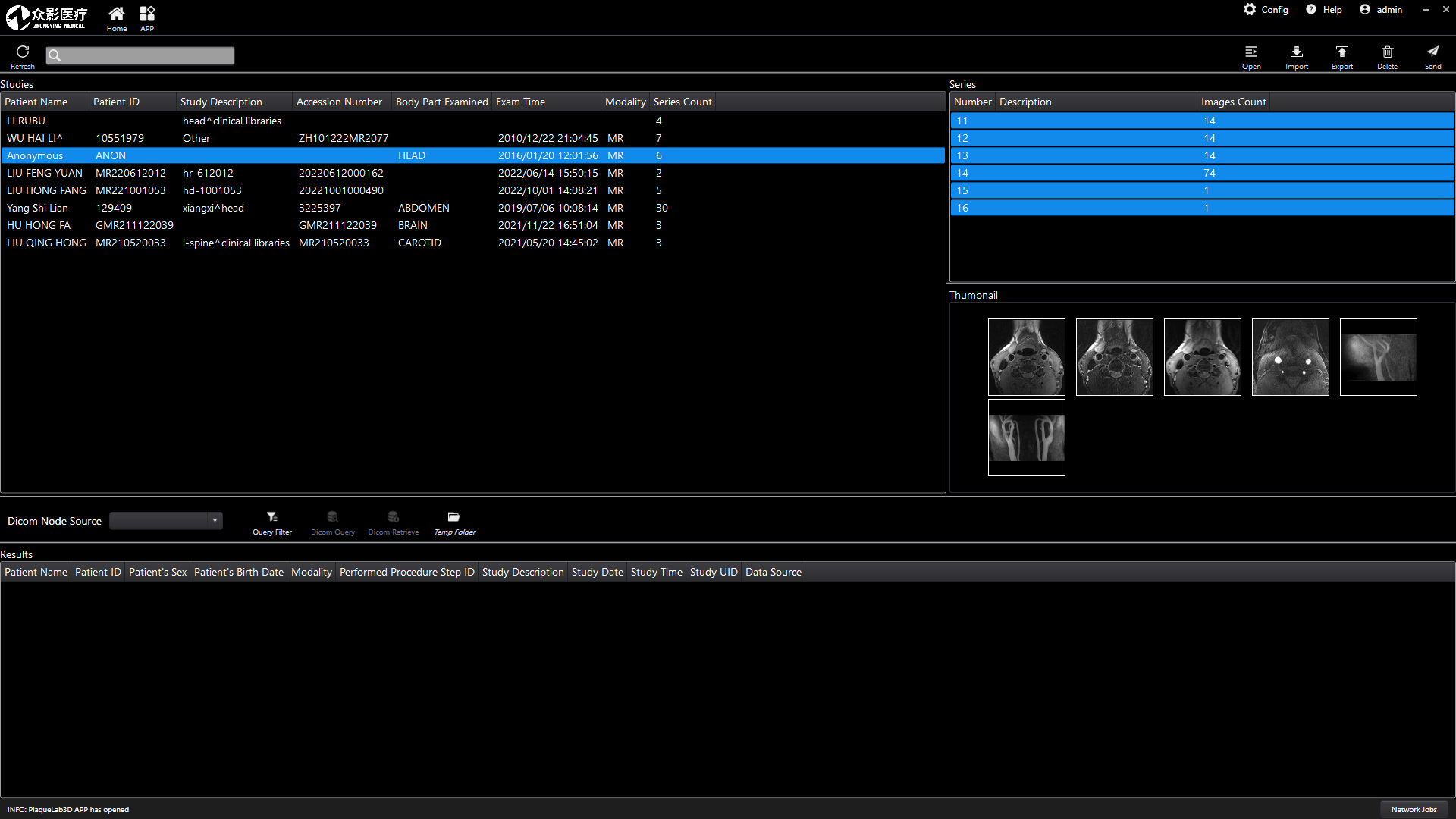
Including importing data from local file system, importing data from remote DICOM node, exporting data to local file system, exporting data to other DICOM nodes, etc;
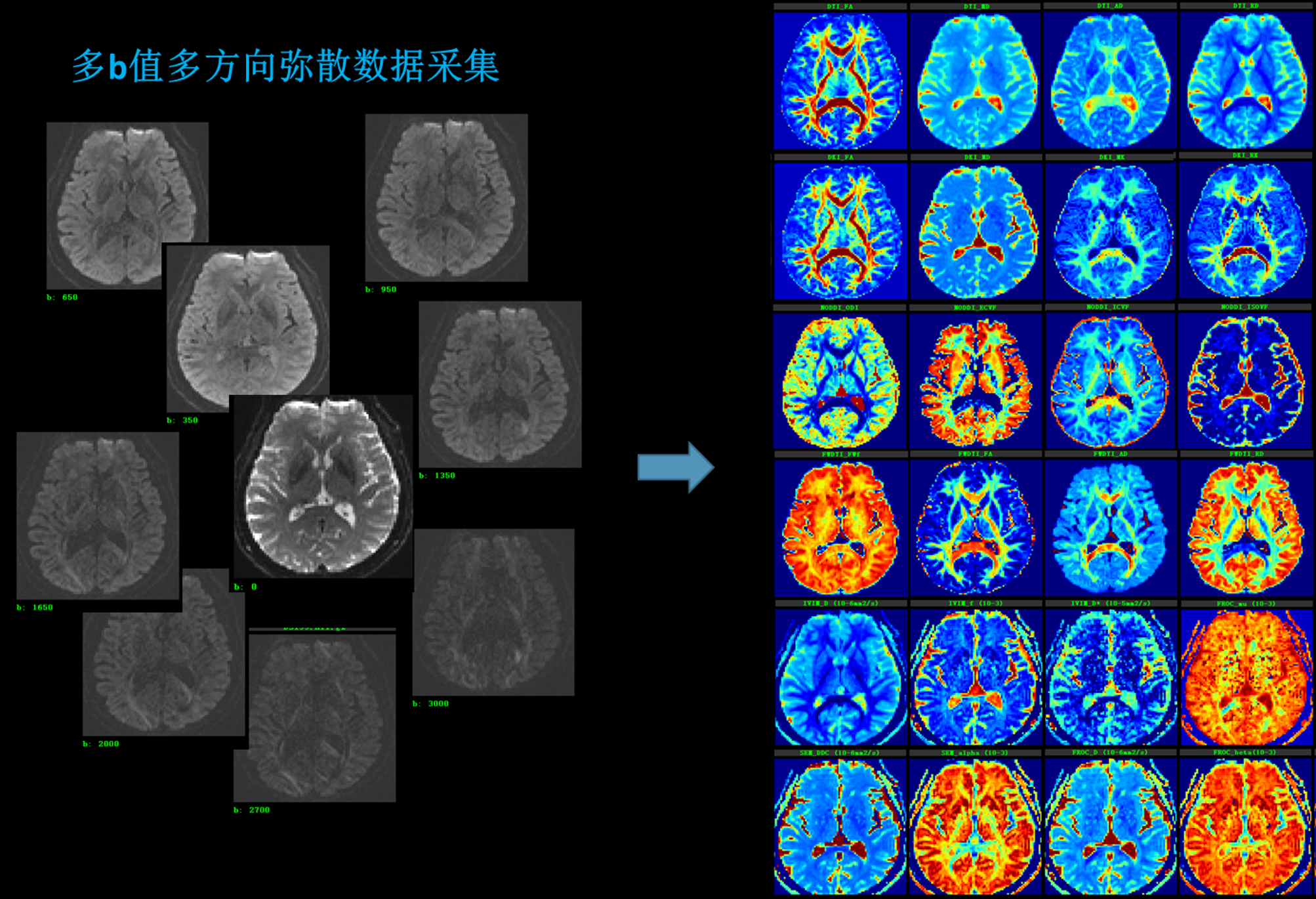
Diffusion imaging is an important functional MRI imaging technology, which can reflect the cellular level microstructure information through advanced diffusion model, and has important clinical diagnosis and efficacy evaluation value. NeuDiLab supports a variety of the latest advanced diffusion models, covering neural and systemic applications, provides one-stop collection and post-processing solutions, supports the simultaneous application of multiple diffusion models collected at one time, and obtains up to dozens of quantitative information at the same time. It has demonstrated significant clinical potential in brain tumors, epilepsy, degenerative and psychiatric brain diseases.
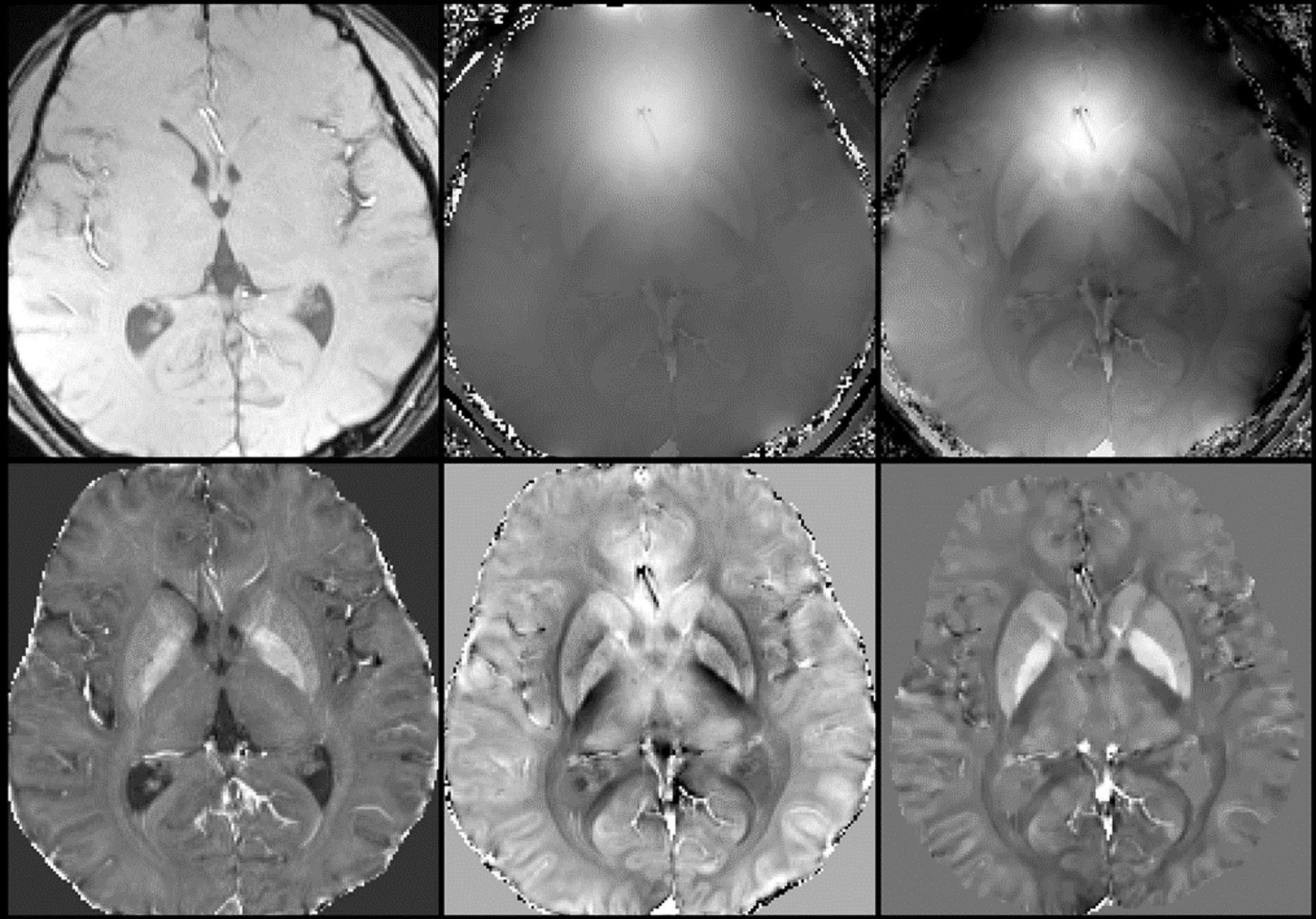
Magnetic susceptibility quantitative imaging (QSM) is a quantitative technology based on magnetic susceptibility weighted imaging (SWI). Compared with SWI, QSM has better contrast of gray white matter and brain nuclei, and can accurately distinguish between bleeding and calcification signals. It is of great significance in the research and diagnosis of multiple sclerosis, Parkinson's syndrome and other brain neural diseases. QSMLab can simultaneously calculate and obtain quantitative magnetic susceptibility maps QSM and R2 * quantitative maps, which can more clearly show the structure of deep brain nuclei, and quantitatively measure the degree of trace iron deposition in nuclei.
ASL is a quantitative technique of cerebral perfusion without administration based on MRI. ASLLab supports 2D, 3D and 4D ASL data analysis, obtains perfusion weighted, perfusion CBF quantitative and other parameters, and supports PASL and PCASL sequence and multi TI data analysis.
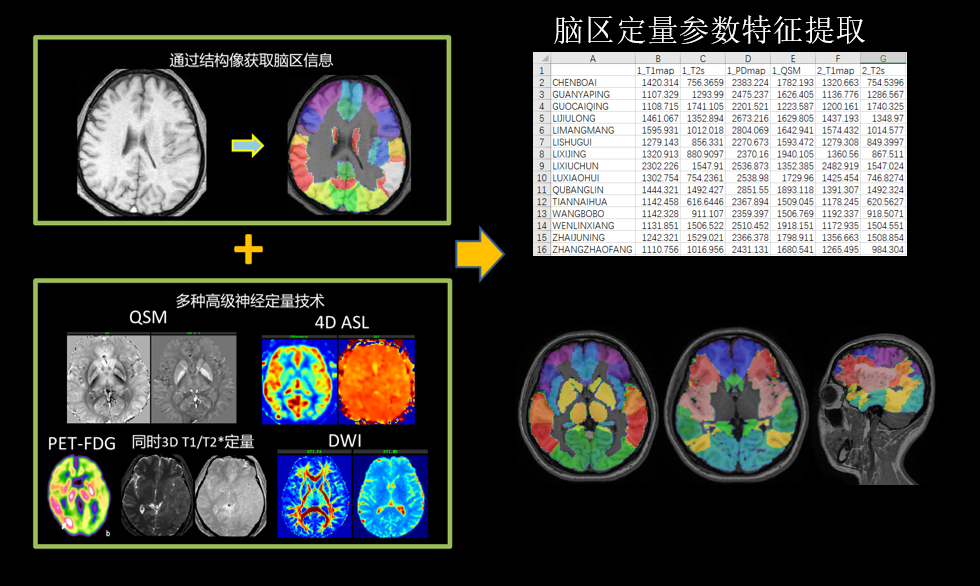
BrainQuanAll obtains accurate segmentation results of cerebral cortex and nucleus based on high-resolution 3D sequences, provides features such as volume and asymmetry of each brain region, and supports joint analysis of other quantitative sequences, such as T1/T2/T2 * quantitative, DWI, ASL and other sequences. BrainQuanAll can extracts quantitative values of corresponding brain regions, and provides multi-dimensional quantitative information for epilepsy, cerebral degenerative and psychiatric diseases.
Diffusion imaging is an important functional MRI imaging technology, which can reflect the cellular level microstructure information through advanced diffusion model, and has important clinical diagnosis and efficacy evaluation value. BoDiLab supports a variety of the latest advanced diffusion models of the body, provides one-stop collection and post-processing solutions, supports the simultaneous application of multiple diffusion models collected at one time, and obtains up to dozens of quantitative information at the same time. It has demonstrated significant clinical potential in the identification, grading, efficacy evaluation, liver and kidney fibrosis evaluation of various body tumors. In addition, BoDiLab supports manual and semi-automatic 3D ROI mapping and imaging feature information extraction, including tumor morphology, histogram, texture and other features, providing more quantitative image features.

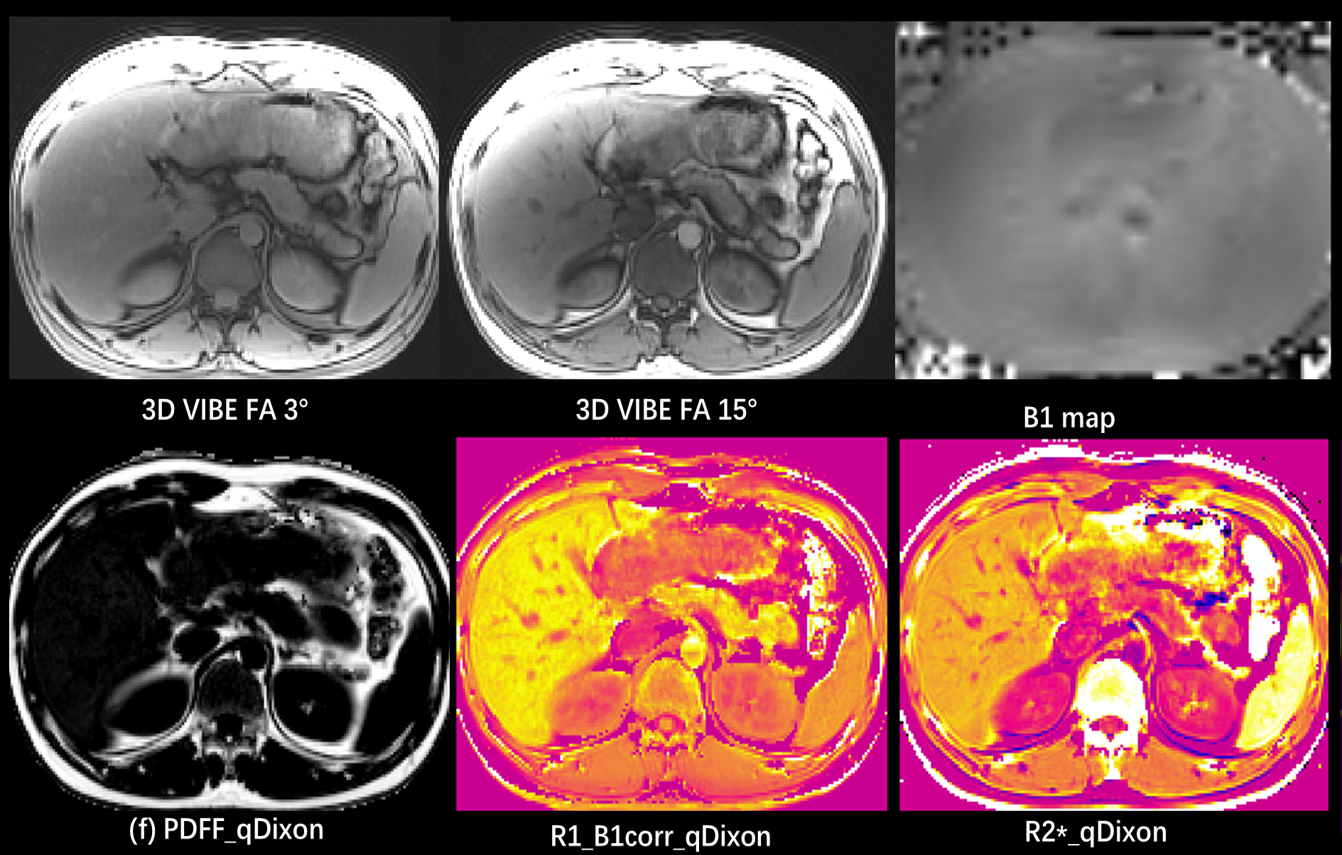
TxMapLab is a quantitative calculation tool supporting multiple MR relaxation methods, especially the quantification method which could simultaneous calculate multi-parameter. It supports simultenously T1/T2 *, R1/T2 *, fat fraction quantification through one data acquisition, which can be completed within one minute by using a fast acquisition scheme. It is applicable to static and moving organs of the body, and can synthesize multiple contrast weighted images to obtain better disease focus contrast. Due to the strict matching of resolution and FOV of multi parameter data, it can be used for multi parameter joint analysis.
MPQuan is a data fusion and joint analysis tool for multiparameter image data, which can analyze multiple imaging data with different resolutions and scanning field of view (FOV), including following functions:
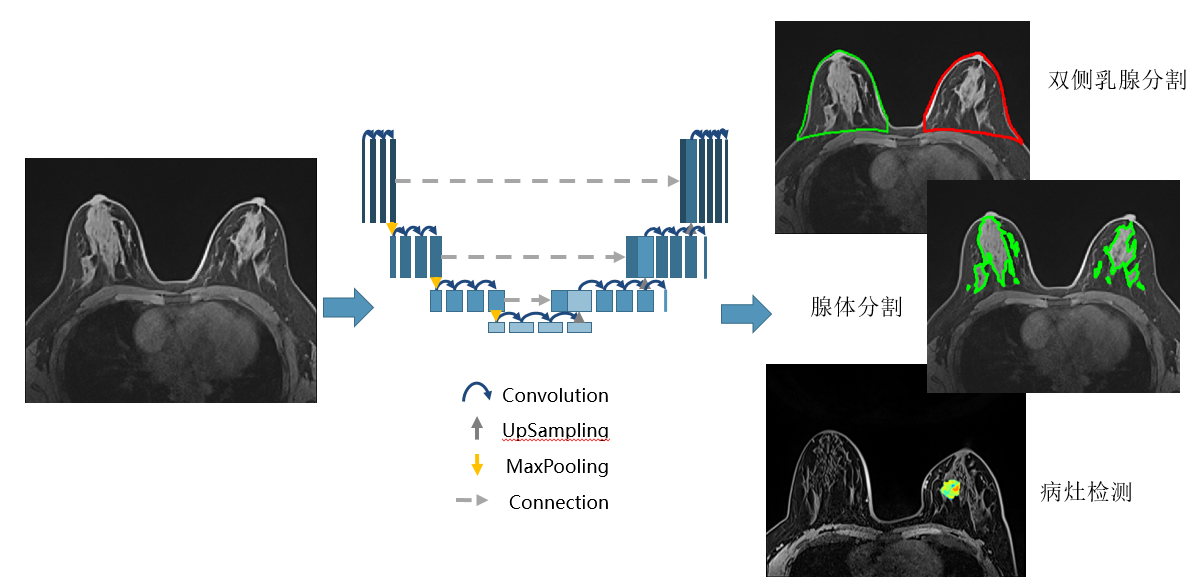
BreastQuan is a quantitative analysis tool for Breast MR images, including following functions: semi-automatic segmentation of bilateral mammary glands and glands, extract and quickly locate and outline the lesions. Thus it can provide quantitative image information and reference for diagnosis.
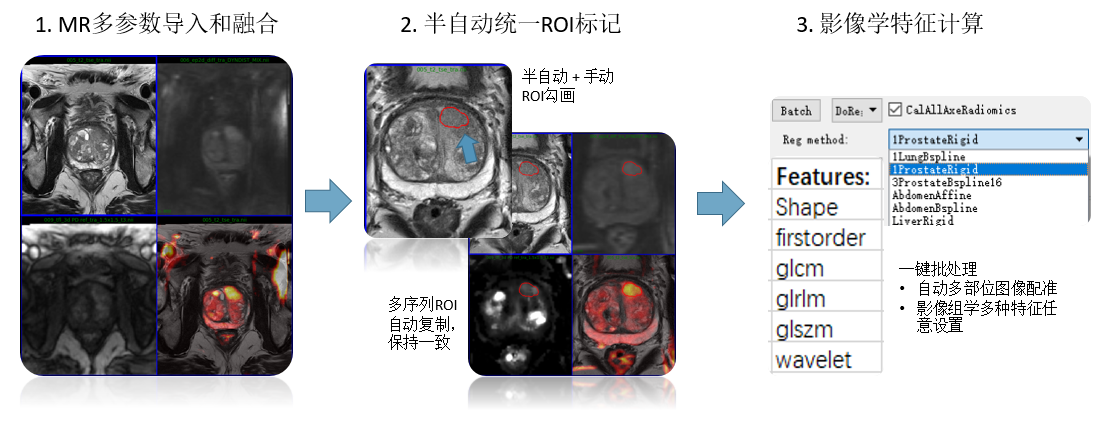
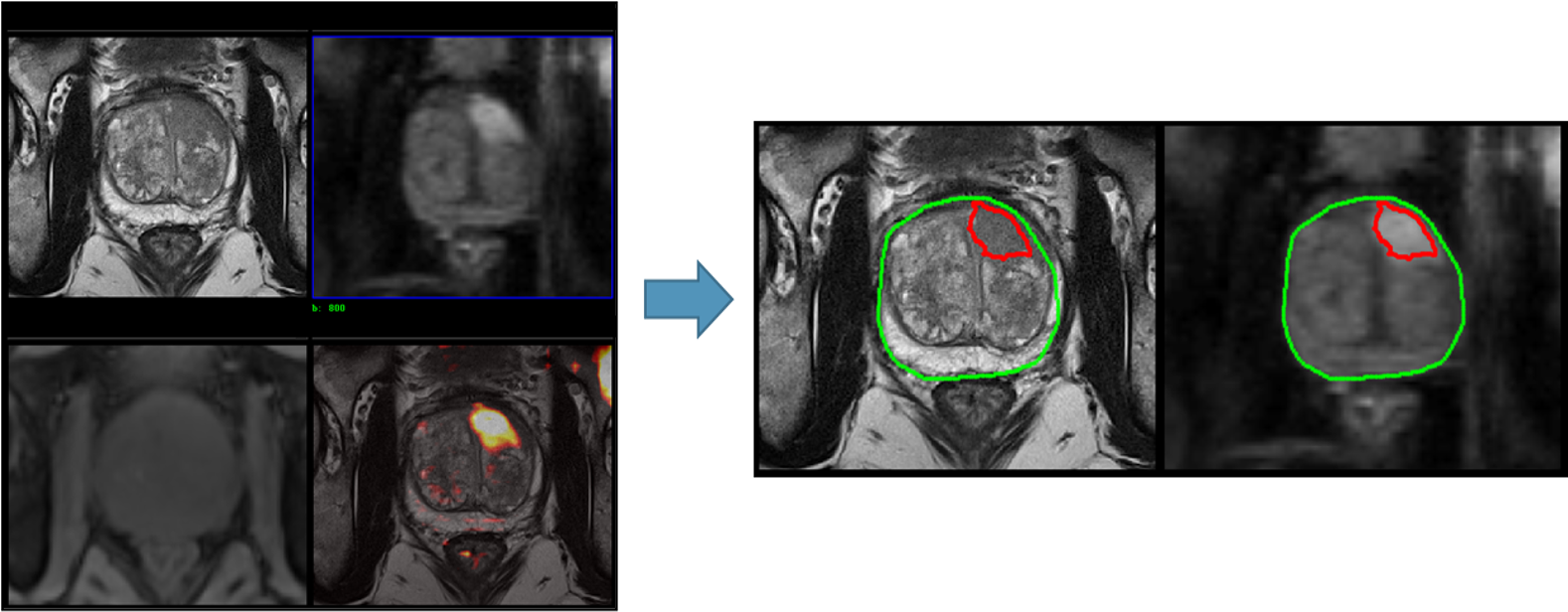
ProstateQuan is a quantitative analysis tool for Prostate MR images, including following functions: semi-automatic segmentation of the prostate, extract and quickly locate and outline the lesions. Thus it can provide quantitative image information and reference for diagnosis.
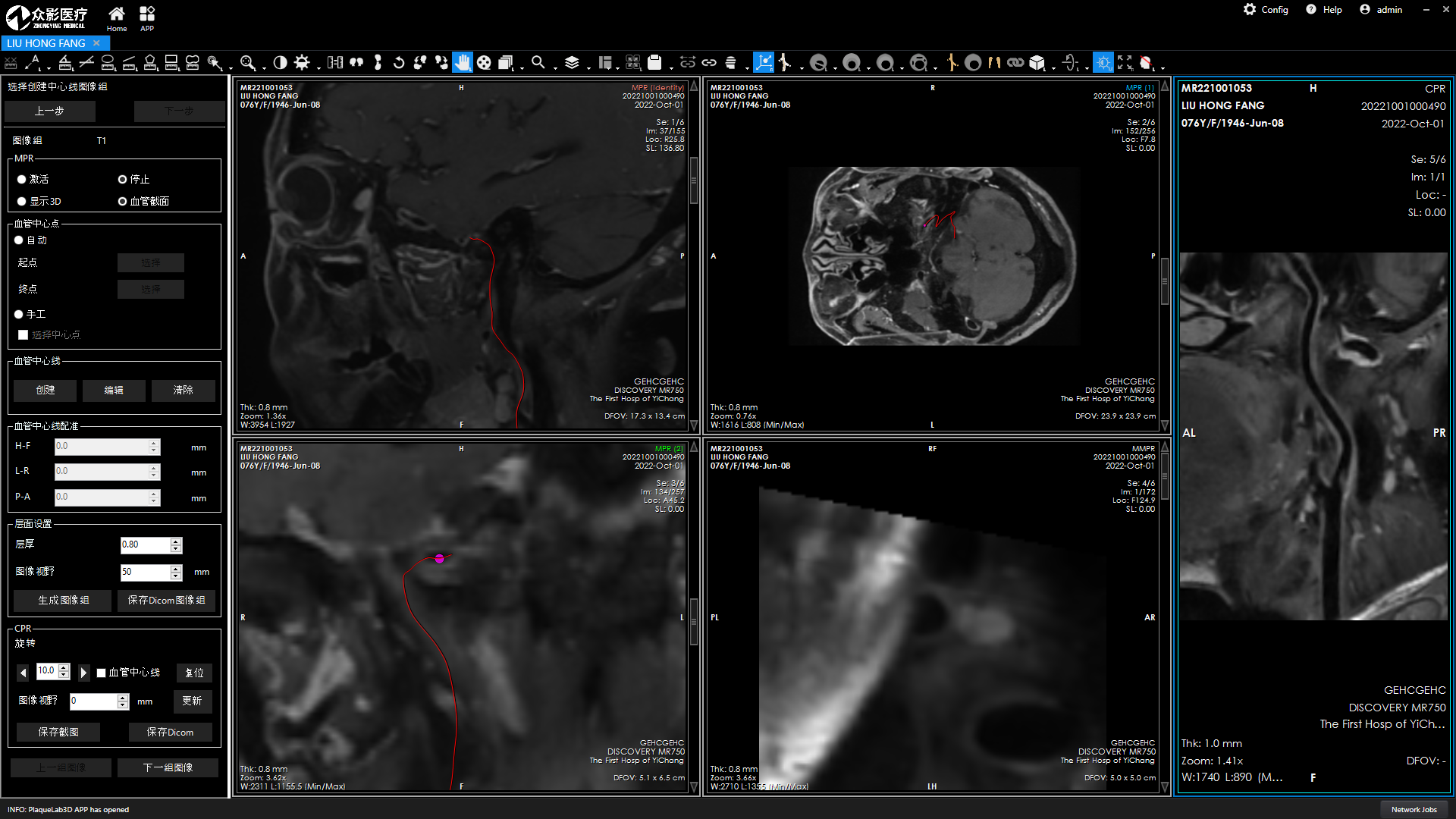
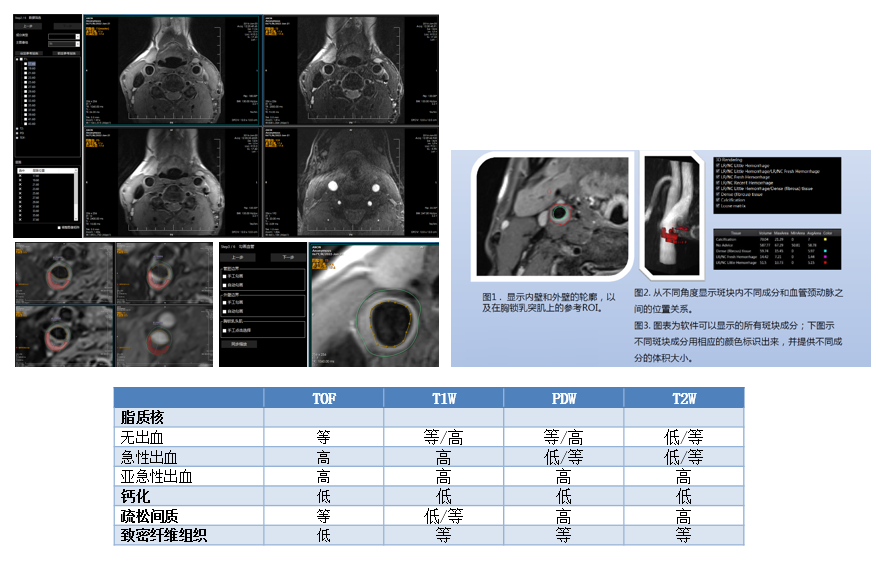
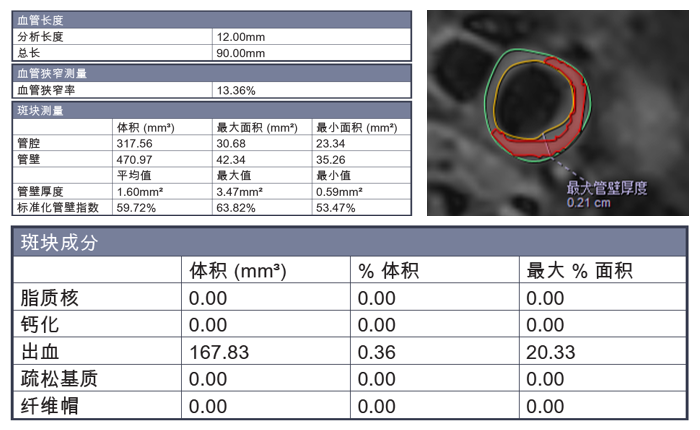
Computer aided Neck vessel marking and delineation
Computer aided labeling and delineation of head and neck vessels